What is Clutter Blindness?
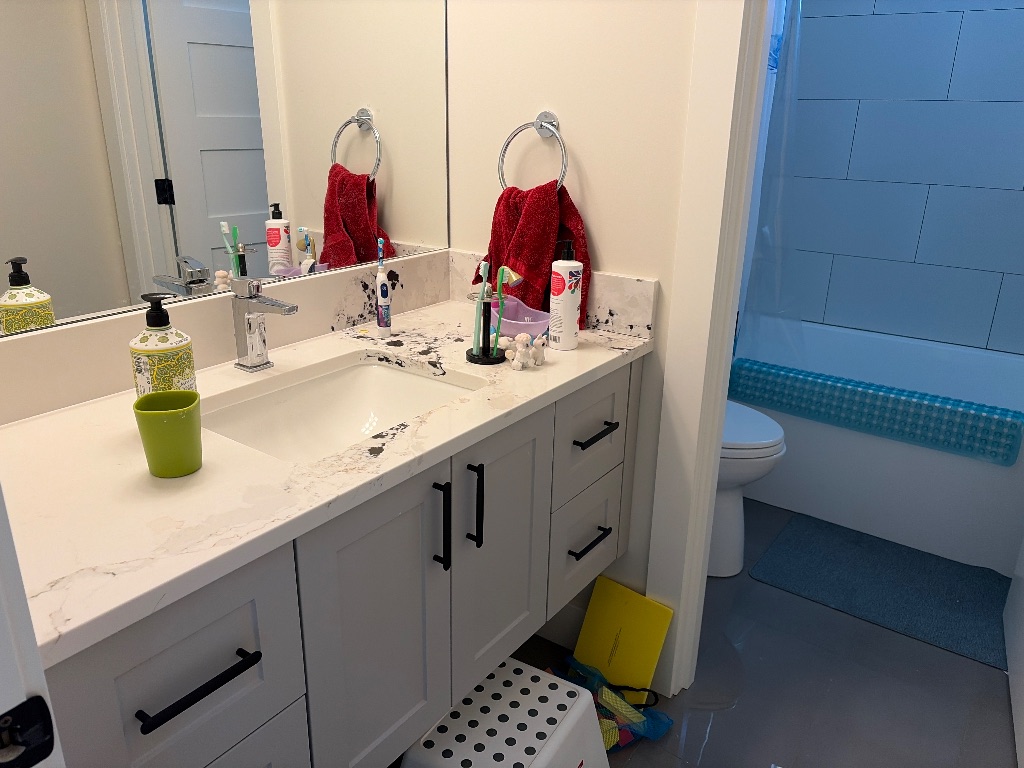
There’s a coffee cup on your desk that’s been there for a week. You only just now remembered it exists because you read this sentence. (Go check. Seriously.)
That’s clutter blindness.
What clutter blindness actually is
Your brain is constantly deciding what deserves your attention and what doesn’t. Psychologists call it sensory habituation: when something in your environment stays the same long enough, your brain files it under “already dealt with” and moves on. It’s the same mechanism that lets you tune out a ticking clock.
The problem is that your brain applies this same logic to the pile of mail on the kitchen counter, the shoes by the front door, and the dining table that hasn’t been used for an actual meal in weeks. The clutter is still there. A guest walking into your house would notice it immediately. But to you, it’s become as invisible as the carpet.
Why clutter blindness gets worse over time
A few things work together to make clutter blindness worse over time.
Your brain has a decision budget. Every item in your home is a little decision waiting to happen: keep it, toss it, move it, deal with it later. After a full day of decisions at work, with your kids, about what to make for dinner, your brain just quietly stops surfacing those choices. The pile stays.
This gets harder when new stuff keeps flowing in. Your kid brings home an art project every day. You buy something and the product manual feels like it should go somewhere, but where? A gift arrives that you don’t need but can’t just throw away. The incoming stream never really stops.
Some clutter has feelings attached to it. The box of your kids’ old artwork. Mugs from trips you’ve taken. Clothes that don’t fit anymore but might someday. These things are harder to evaluate because they’re tied to memories, guilt, or hope. It’s easier for your brain to just… look past them.
It happens one item at a time. A single jacket draped on a chair doesn’t register as a problem. Neither does the second one. By the time there are six jackets and a tote bag, your brain already normalized each small change as it happened.
Signs of clutter blindness
Most people deal with some degree of clutter blindness, especially in busy households. Here are some situations that might feel familiar:
- You only really notice the mess when someone is coming over, and then you panic-clean. If the space looks different to you when you imagine a guest walking in, that’s clutter blindness at work.
- You take a photo of a room to show off a new piece of furniture, and in the photo you notice all the stuff around it that you didn’t see in person.
- You come back from vacation and think, “Has it always looked like this?” Then after a few days home, the mess fades from your awareness again.
- When company is coming, your instinct is to shove things into closets, drawers, or spare rooms rather than deal with any of it.
- Every flat surface in your home has become a storage area. The counter, the table, the top of the dryer, the stairs, the floor next to the front door.
How to overcome clutter blindness
Take a photo of the room
This is the single most effective thing you can do. Pull out your phone, take a photo, and look at it on screen. Something about looking at a photo of your space activates a completely different kind of visual processing than looking at the room in person. You’ll see things in that photo that you have walked past a hundred times without registering.
Ask someone who doesn’t live with you
A friend or family member with fresh eyes will see your space completely differently. You don’t need them to organize anything. Just ask, “What’s the first thing you notice when you walk in?” Their answer will probably surprise you.
Pick one area and only that area
Trying to declutter your whole home at once is a fast track to giving up, which is part of what caused the blindness in the first place. Pick the highest-traffic area: the kitchen counter, the entryway, wherever you spend the most time. Clear it, keep it clear for a week, then pick the next one.
Give flat surfaces a job
If every flat surface becomes a drop zone, give them a specific purpose instead. A small tray by the door for keys and wallets. A single bin for incoming mail. When a surface has a clear function, it’s much easier to notice when random stuff starts accumulating on it.
Keep checking
Clutter blindness comes back. It’s not a one-time fix. Even a quick walk through your home once a week, really looking at it instead of past it, helps you stay on top of your home organization before things pile up again.
How Settlewood fits in
The “take a photo” trick works because it gives you an outside perspective on your own space. Settlewood takes that same idea further.
When you snap a photo of a room, Settlewood’s AI looks at it the way a fresh pair of eyes would. It picks out items that seem out of place, surfaces being used as catch-all storage, and areas where clutter has built up. Then it tells you specifically what to keep in place, what to toss, and what to relocate.
It also tracks your decluttering progress room by room, so over time you can actually see things getting better. And unlike asking a friend, you don’t have to worry about judgment or feeling embarrassed. Nobody sees your photos but you.
Try Settlewood for free and see what your rooms look like through fresh eyes.
The hardest part of decluttering is never the physical work of putting things away. It’s noticing them in the first place.